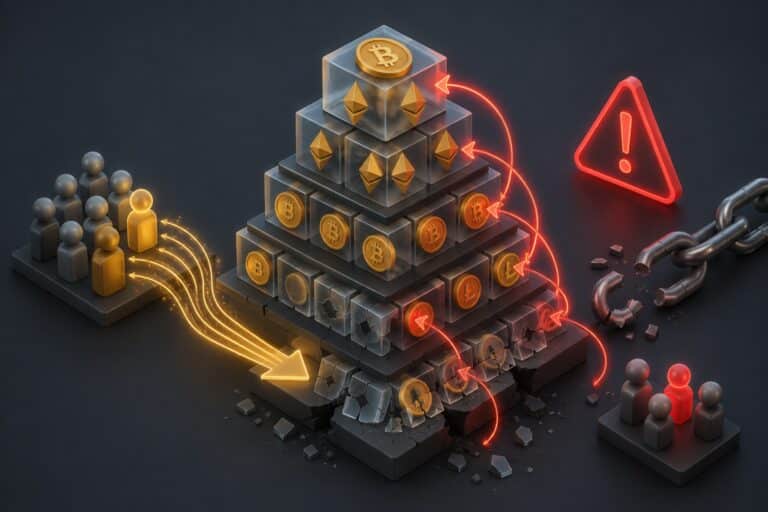

If you lose money to a cryptocurrency scam, you are already devastated by the loss. Then, as soon as you start looking for help, you will often fall for another scam; there are many so-called ‘recovery operators’ that have created entire businesses by going after people that have been defrauded and preying on your desperation and hope that this can somehow be fixed. It is just as important to be aware of the fraudulent recovery operators as it is to know about the original scam. The Lionsgate Intelligence Network (lionsgate-hybrid.matat.io) is a true alternative to this; they provide victims with forensic-level investigative help and can verify law enforcement-related assistance.
How Secondary Scams Find Their Victims
Fraudulent crypto recovery services do not wait around for you to discover them; they actively search and seek out victims of fraud every day. These scammers scour Reddit threads, Telegram groups, Facebook pages and online discussion forums each day, looking for victims who have discussed their fraud experience and/or looking for others who can recommend a trustworthy crypto recovery service. The con artists create fake success stories to post publicly online; they also create fake reviews and post them to numerous online sites to deceive other potential victims. In some instances, the scammers may even directly communicate with somebody who they discovered had posted online about losing money as a result of fraud.
The timing of their attempt to reach you and to con you is important. A victim of fraud is emotionally volatile at this time and will be highly motivated financially to act quickly. This characteristic (both being emotionally volatile and financially) creates an environment whereby the victim is an easy target for another fraud (when the scammer is using the same language as legitimate recovery organisations).
The 8 Fake Recovery Patterns Targeting Prior Victims
- Upfront Fee Business Model
The most common business model used by scammers is requiring a significant amount of money be paid before any work is done for you. These upfront payments are usually referred to as “processing fees,” “advance retainer,” or “blockchain access.”
- Promises of a Guaranteed Recovery
An honest person in this area would never promise you a specific recovery amount; blockchain forensic recovery is quite complicated, and results are dependent on how long the funds have been moved and how long it took for the funds to be reported. Any provider that makes such a promise is either lying about what they can deliver or has no intention of delivering after they receive payment.
- Created Testimonials and Case Studies
Scammers are using created testimonials (e.g., fake reviews from sites like TrustPilot or Google through created accounts), as well as created case studies (evidence of recovery that did not happen), to give themselves a fake image of legitimacy.
- Copying Legit Companies
Many scam companies/individuals copy the branding, website design, and contact information of established cryptocurrency recovery companies to fool people into being able to help them recover their money. The only difference between the two sites is usually a slight change in the domain name or email address.
- Social Media Experts
The people presenting themselves as blockchain recovery experts on Instagram, Twitter, and TikTok (where many have followers in the millions with screenshots of impressive success) are the most prolific secondary scammers. Many have purchased followers and have fabricated success.
- No Technology Operators
After the rise of fraud using smart contracts, many operators emerged, claiming to specialize in ETH scamming reversal and wallet recovery, and they made a lot of noise. In reality, none of them have any forensic abilities to recover funds. They take the victim’s money in the hopes of recovering lost funds or money as a result of a malicious contract approval and deliver absolutely nothing of substance.
- Fake Law Firms that Guarantee Court Recovery
Scammers are impersonating law firms or legal advisors that claim to have the authority to file a court order (emergency injunction) to freeze your cryptocurrency exchange account and will charge you fees for that service; they will use their letterhead and fake court documents to do so.
- USDC and Stablecoin Recovery.
As stablecoin fraud has grown, so has the increased number of operators that claim to have proprietary blockchain forensic methods to recover scammed USDC. These claims are completely unsubstantiated in that stablecoin recovery needs legitimate forensic tracing technology, not a proprietary tool created in a sales piece.
Verification Checklist Before Engaging Any Recovery Service
|
Verification Point |
Lionsgate Intelligence Network |
Fake Recovery Operators |
|
Regulatory Registration |
NATO NCAGE 6557A, publicly searchable |
No verifiable registration exists |
|
Law Enforcement Relationships |
FBI, DHS, IRS-CI, Europol documented |
Claimed but never verifiable |
|
Fee Structure |
Free evaluation before any commitment |
Upfront fees demanded immediately |
|
Recovery Guarantee |
None, honest about case complexity |
Full recovery guaranteed upfront |
|
Forensic Technology |
AnChain.AI multi-chain tracing platform |
No named technology or methodology |
|
Evidence Output |
Court-admissible forensic reports |
No structured documentation produced |
Conclusion
The existence of fake crypto recovery operators is not a minor footnote in the story of cryptocurrency fraud. It is an entire secondary industry built on re-victimizing people who are already in a vulnerable position. Knowing what these operations look like and what distinguishes them from genuinely credentialed services is protective knowledge. Lionsgate Intelligence Network brings verifiable credentials, institutional law enforcement relationships, and forensic-grade methodology to every case it accepts. For anyone navigating the aftermath of crypto fraud and considering their options, engaging with real crypto recovery services that can demonstrate their legitimacy is the only approach that gives a case a meaningful chance at resolution.
Frequently Asked Questions
1.How do fake crypto recovery services find victims so quickly?
Online communities, such as victim forums, social media posts about losses, and public complaints, are monitored for information about where defrauded investors share their experiences. Many fraudulent operators are searching for their next victim by using these online communities to find out how to contact the victims.
2.Can an ETH scam involving a drained wallet ever be genuinely investigated?
All interactions with smart contracts in the Ethereum blockchain are non-removable. It is possible for an expert forensic investigator to accurately trace where funds went after the execution of a malicious smart contract and identify the address (wallet or exchange) where the funds ended.
3.What should I look for when trying to recover scammed USDC?
Seek a provider with established multi-chain tracking ability, verifiable credentials, and case intake based on evaluation rather than payment. Technically, it can be done, but it will require real, not marketing, forensic infrastructure to recover a stablecoin.